How Military and Civilian Aircraft Share the Skies
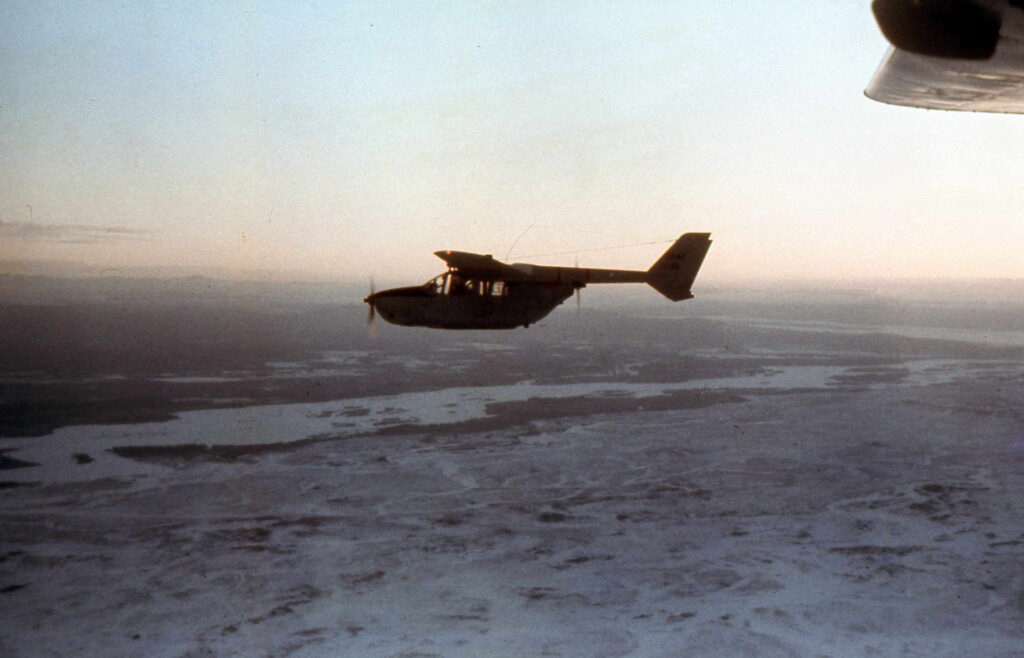

Military training and civilian aviation form different parts of the same airspace system. Their interaction is an important topic for aviation education.
Different operating purposes
Civilian flying ranges from personal travel to commercial transport and flight training. Military aviation may involve proficiency training, transport and other specialized activities. Different missions can create different patterns of airspace use, without making one group inherently more or less responsible for safety.
Airspace as a coordination framework
The United States uses designated airspace categories and special-use areas to organize aviation activity. These designations communicate information about the nature of activities and applicable restrictions. They are not interchangeable, and current official descriptions matter more than the appearance of a boundary on an old map.
Public education and communication
The 2011 FAA announcement of the See and Avoid portal shows how the military and civil aviation communities sought to share safety information. The underlying idea is that greater understanding of other users’ operations can support more informed planning and training discussions.
Where to learn more
The Aeronautical Information Manual and the FAA’s chart guide explain how airspace is represented and described. These references are preferable to old screenshots or third-party maps for learning the current system.
For additional context, explore the purpose of military operations areas.
Different communities, shared infrastructure
Military aviation includes transport, training, patrol and other operations with varied aircraft and operating environments. Civilian aviation also spans a wide spectrum, from recreational flying to commercial services. It is misleading to contrast two supposedly uniform groups. What matters for safety education is how different operating contexts affect the information each participant may expect or receive. A local outreach event can make those differences easier to discuss before a misunderstanding occurs.
The role of airspace terminology
Airspace designations describe legal and operational arrangements rather than simply indicating whether an area is safe or unsafe. A military operations area differs from a restricted area, and a familiar label should never be treated as proof that activity is absent. Our article on the purpose of military operations areas explains that distinction. Readers seeking a current operational answer must consult the responsible official sources rather than rely on a static illustration or historical web page.
Outreach without false certainty
An effective education program can help civilian and military communities communicate in a common vocabulary. It should also make the limits of its material clear. A briefing about typical traffic is not a prediction of the next flight, and photographs of training activity are illustrative rather than evidence of a current mission. This distinction helps a publication serve both audiences without presenting itself as a dispatch service or reproducing old local information as if it were current. The original See and Avoid concept remains an instructive example of outreach across aviation institutions.
Further reading
- FAA Safety Team: 2011 portal announcement
- FAA AIM: Special Use Airspace
- FAA Aeronautical Chart Users’ Guide
- FAA AIM: Pilot and controller responsibilities
Educational background only; not a source of operational flight instructions. Consult current official publications and qualified instructors.