Aviation Safety Reporting and Near Midair Collisions
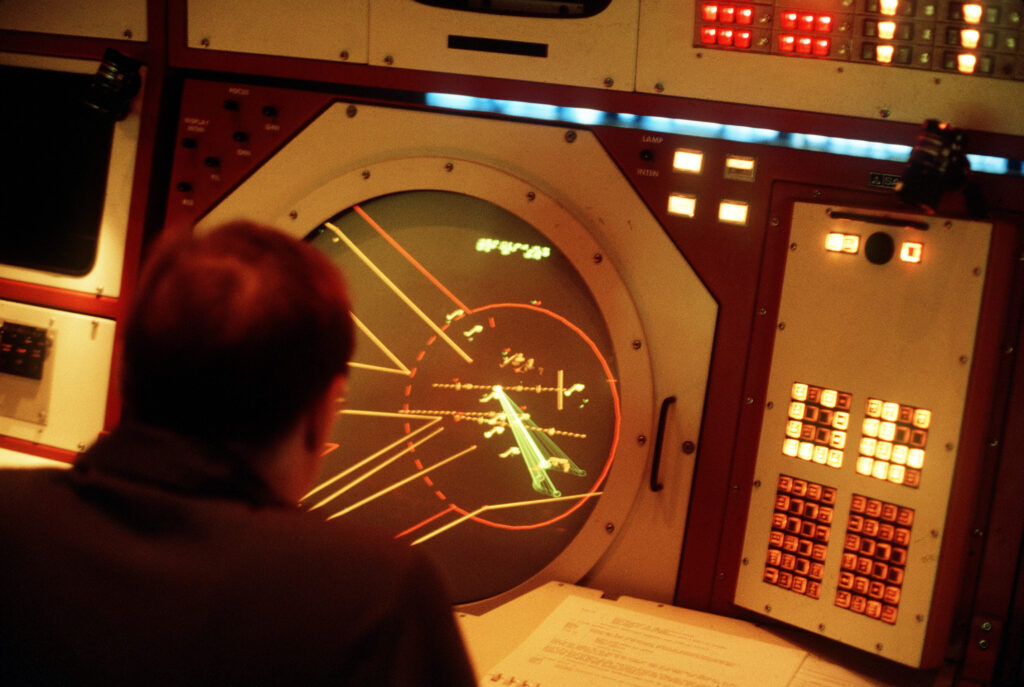

Safety reporting creates opportunities to study hazardous circumstances that may not have resulted in an accident. Near midair collision reports are one example.
Why near misses matter
An event can reveal a weakness in communication, equipment, procedures or information availability even when no aircraft is damaged. Studying those circumstances can generate useful questions for training and research without waiting for the same combination of factors to produce a more serious outcome.
The NASA reporting system
NASA describes the Aviation Safety Reporting System as a voluntary, confidential and non-punitive reporting program. It receives accounts from people across aviation professions. Its collection provides qualitative insight into operational experiences, rather than a complete count of all events.
Interpreting reports carefully
A voluntary report represents an individual perspective and may not capture every relevant detail. Report frequency can be influenced by awareness of the program, reporting practices and other factors. It is inappropriate to treat the number of reports as a direct measure of the probability of an accident without further evidence.
Learning across roles
Reports can prompt conversations about how information moves between people and organizations. They complement formal investigations and official safety material, but serve a different purpose. NASA’s program overview is the starting point for understanding the system itself.
For additional context, explore the layered approach to collision avoidance.
Reporting is different from investigation
A voluntary report describes an experience from the perspective of a participant. An investigation may combine records, interviews and technical evidence to establish a broader account. These kinds of material can complement one another, but they are not interchangeable. A report can reveal a recurring concern even if it cannot establish every detail of a particular event. Conversely, a detailed investigation should not be treated as a representative sample of everyday operations.
What makes a narrative useful
Context gives a safety observation meaning. A description of the information available, the expectations of those involved and the conditions under which confusion arose can help readers understand a problem. Editorial summaries should retain uncertainty instead of turning a reported impression into a proven finding. NASA’s Aviation Safety Reporting System is valuable for understanding the role of voluntary reporting; its reports need to be interpreted with attention to their nature and limitations.
Using lessons responsibly
A recurring theme in reports can suggest a topic for training or further research, but counts of voluntary submissions do not by themselves establish accident rates. Reporting practices, participation and other factors affect what enters a database. Our overview of collision avoidance as a layered safety problem provides context for reading such material. A historical aviation publication can make lessons easier to discover while directing readers to the original reporting organization and avoiding claims of official investigative authority.
Further reading
Educational background only; not a source of operational flight instructions. Consult current official publications and qualified instructors.