The Role of Flight Planning in Aviation Safety
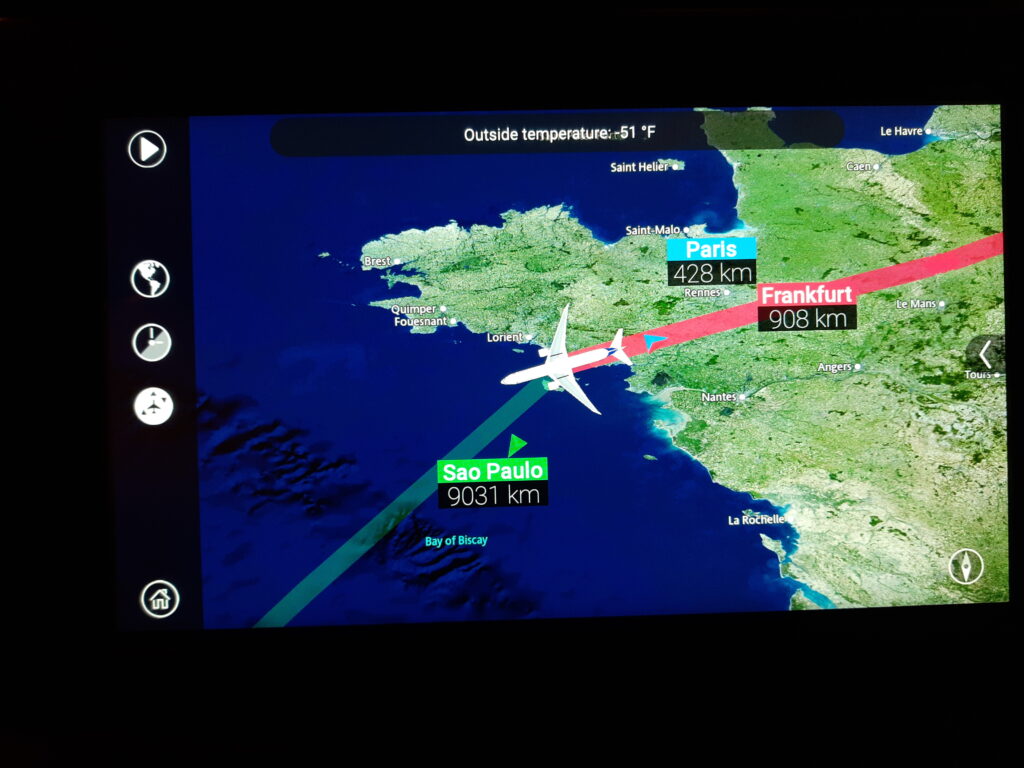

Flight planning is a process of organizing information before a flight, considering uncertainty and identifying the resources needed to make informed decisions.
Planning is more than a route
A route is only one part of preparation. The aircraft’s capabilities, environmental conditions, airspace and human workload also contribute to the context in which a flight takes place. Educational planning discussions benefit from treating these factors as connected rather than independent.
The information lifecycle
Aviation information changes over time. Chart publications have defined cycles; notices and operational conditions can change between cycles. A printed map or saved screenshot may be useful for historical study but cannot establish current operational conditions.
Managing uncertainty
An important distinction exists between an assumption and a confirmed piece of information. Planning education can help readers recognize where the information picture remains incomplete. It also provides a setting to discuss how a changing situation might affect the original plan.
Official learning resources
The FAA handbook and aeronautical chart guide describe the underlying systems and their terminology. For an actual flight, current official publications, applicable rules and qualified instruction take precedence over an independent educational article.
For additional context, explore the interpretation of aeronautical charts.
Planning is an exercise in managing uncertainty
A plan is useful because it makes assumptions visible. Weather, aircraft performance, available services and airspace information are examples of factors that influence a flight plan. A plan cannot eliminate all uncertainty, but it can reveal what remains unknown and which information is time-sensitive. In an educational discussion, comparing two hypothetical routes can show how changing one assumption affects the rest of a plan. That is different from prescribing a route for an actual aircraft.
The problem of stale information
A saved chart, an old briefing or a bookmarked airport page may remain readable long after its information changes. Digital access can make material feel current even when it is not. The reader should distinguish the date of a web page from the validity period of the information it contains. The same distinction applies to an aviation safety archive: historical evidence can explain how a system evolved, but it is not a substitute for an official current briefing. The FAA preflight information chapter is a useful starting point for learning how official information is organized.
Workload starts before flight
Preparation also affects how much information must be interpreted later. A pilot confronted with several unfamiliar tasks at once has a different cognitive challenge from someone who has already considered the context. The relationship between preparation and workload is explored in our human factors overview. In an instructional setting, discussing why a decision was difficult can be as useful as discussing the decision itself. This article describes planning as an educational concept, not a personalized flight checklist.
Further reading
- FAA Pilot’s Handbook of Aeronautical Knowledge
- FAA Aeronautical Chart Users’ Guide
- FAA AIM: Preflight procedures
Educational background only; not a source of operational flight instructions. Consult current official publications and qualified instructors.