The History and Limitations of See-and-Avoid in Aviation
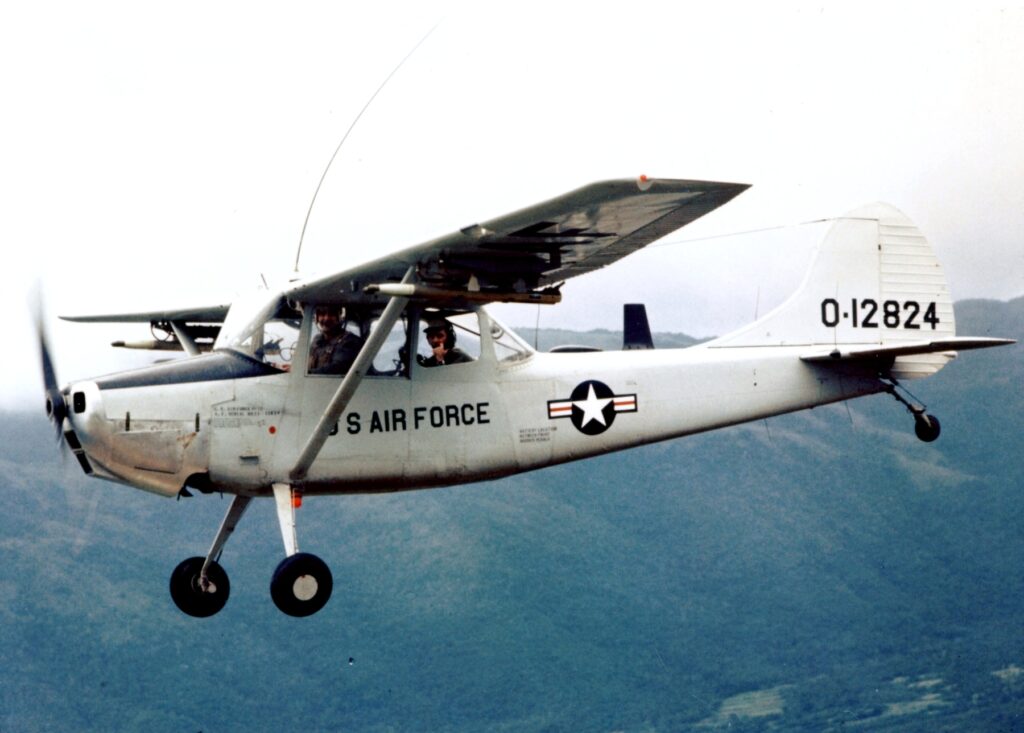

The concept of see-and-avoid is a familiar part of aviation safety education. Its importance persists even as surveillance, air traffic services and collision avoidance technology have developed.
A historical principle in a changing system
Visual observation has been a fundamental way for people operating aircraft to become aware of other traffic. Aviation has changed substantially in scale, aircraft performance and the types of information available in the cockpit. The central challenge remains recognizing possible conflicts in a timely manner. The historical See and Avoid portal addressed this challenge through communication between civilian and military aviation communities.
Visual detection is conditional
Human vision does not provide a continuous, equally detailed picture of every direction. The apparent size of another aircraft, contrast with the surroundings and cockpit structures can influence visibility. An observer may also be engaged with other tasks. Recognizing these limitations is not a criticism of individual pilots; it is an acknowledgment of the conditions under which any person must operate.
An imperfect source of information
The presence of another aircraft does not mean it will be noticed. An object with little apparent movement can be difficult to detect, especially when other features draw attention. The difference between an aircraft being physically visible and a person recognizing it is important. NTSB safety alerts address collision prevention and the need for safeguards beyond exclusive reliance on vision.
The emergence of additional layers
Air traffic services, surveillance systems and aircraft equipment can provide additional information about traffic. Each has a defined role and limitations. The FAA’s current advisory material on collision avoidance and its description of surveillance systems distinguish visual responsibilities from the purposes of traffic displays. An educational account should resist the temptation to describe technology as making visual awareness irrelevant.
What the history teaches
The evolution of aviation safety is a story of complementary safeguards. The original portal’s emphasis on bringing information together is consistent with that broader lesson. Current official sources remain essential, particularly where operational rules and equipment are concerned. The historical concept is best understood as part of a wider system rather than an assurance that a person will always see a conflict.
For additional context, explore the original See and Avoid program.
The visual principle in historical context
The concept of visually detecting and avoiding other aircraft reflects the physical reality that aircraft may operate where not every movement is visible to a single authority. A pilot’s outside view can reveal information that other systems do not provide. That historical principle remains an important part of aviation safety education, but its meaning cannot be reduced to the assumption that looking outside guarantees detection. The FAA advisory circular and the NTSB alert collection both provide a basis for examining the distinction between responsibility and capability.
The geometry of a developing conflict
Relative position and movement affect the appearance of another aircraft. A small object may occupy little of the visual field, and its apparent motion may not immediately draw attention. Different viewing conditions can make the same aircraft easier or more difficult to distinguish. Classroom diagrams illustrate this problem by showing two aircraft trajectories from an overhead view. The diagram is much easier to interpret than the view available to a person inside either aircraft. This gap between an observer’s limited perspective and an idealized diagram is central to understanding visual detection.
Attention is a limited resource
The cockpit is a setting in which several kinds of information compete for attention. A person may be interpreting an instrument, a communication or another external cue. The issue is not solved by simply telling a person to pay more attention to everything. Human attention has limits, and those limits interact with the design of displays, procedures and the operating environment. A human factors approach asks how the system can account for those limitations instead of assuming perfect performance.
Visibility is not a fixed property
A photograph may make an aircraft seem easy to identify because the viewer knows where to look and has time to examine the image. Actual viewing conditions differ. Contrast, lighting, background and the position of cockpit structures can affect the available cues. The apparent clarity of a photograph is therefore not a measure of the probability of detection in a particular flight. Aviation education benefits from emphasizing the difference between illustrative examples and evidence collected under defined conditions.
Why complementary systems matter
Ground surveillance and onboard equipment can add information to the picture of traffic. The usefulness of each depends on its purpose and availability. A traffic display may show an aircraft that is not immediately visible, while visual observation may reveal something not represented on a particular display. Neither observation nor equipment should be described as an unlimited source of information. Official guidance addresses the responsibilities and limitations applicable to specific operations; this article offers conceptual context rather than an alternative set of procedures.
A historical program with a broader audience
The See and Avoid website was notable because it addressed civilian and military aviation communities together. The historical FAA announcement is evidence of the outreach effort, not evidence of current local activity. The portal’s premise remains interesting because collision avoidance is not merely a question of equipment: people operating in different communities also need ways to understand the information environment they share. The publication’s article on the original cross-community safety initiative describes that context.
Understanding safety alerts
An official safety alert can identify a concern and direct readers to guidance. Its existence should not be interpreted as proof that one factor causes every occurrence of a particular type. Accident circumstances differ, and investigation findings are specific to their evidence. An editorial article should describe the scope of a source and resist generalizing beyond it. The NTSB’s safety alert collection includes material about visual detection and the limits of relying on vision alone, making it a useful companion to the FAA advisory circular.
The role of an independent publication
Historical aviation information can help readers understand why a safety concept evolved and why it is still discussed. It cannot establish the operating conditions of an actual flight. Our goal is to explain the underlying questions and point to authoritative publications without reproducing outdated directions. This is why the article distinguishes the original website’s outreach purpose from current guidance. The enduring lesson is that visual awareness has value, but its limitations deserve explicit attention within the broader aviation safety system.
The difference between a principle and a guarantee
The historical principle of see and avoid should be understood in the context of the wider aviation system. A responsibility to observe does not establish that every object can be detected in every situation. Similarly, an example in which visual detection worked does not demonstrate that the same result will occur under different conditions. A useful safety discussion is precise about this distinction. It considers which information was available to an observer and what limitations could have affected the interpretation. This approach is more informative than treating all situations as a test of individual vigilance. It also explains why communication and appropriately designed equipment can play important complementary roles. The purpose of such analysis is to improve understanding, not to make assumptions about the conduct of a particular pilot.
Further reading
- FAA Safety Team: 2011 portal announcement
- FAA AC 90-48E: Pilots’ Role in Collision Avoidance
- NTSB Aviation Safety Alerts
- FAA AIM: Surveillance Systems
Educational background only; not a source of operational flight instructions. Consult current official publications and qualified instructors.