The Evolution of Aviation Radar Technology
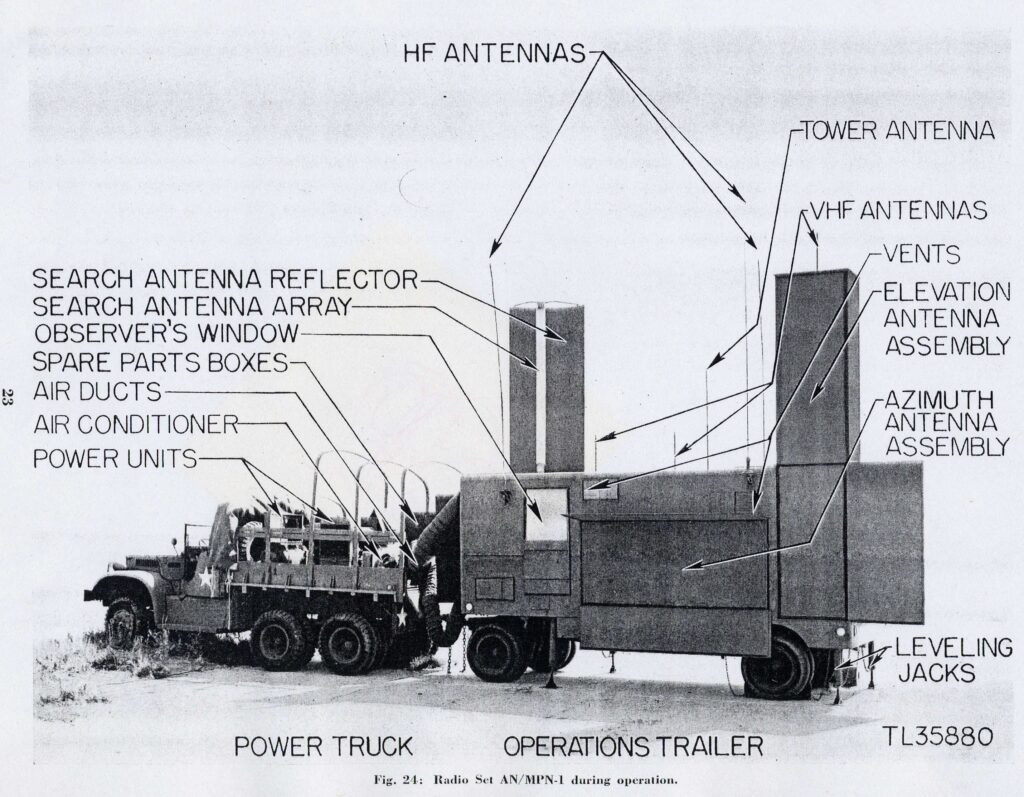

Radar helped transform how aviation traffic is observed. Contemporary surveillance also includes systems that use aircraft-broadcast information.
From detection to information
Primary radar detects reflected radio energy. Secondary surveillance uses cooperative aircraft responses to provide information that can support identification and tracking. The two concepts represent different ways of obtaining information about an aircraft, not simply different generations of the same display.
A changing surveillance environment
Modern aviation increasingly incorporates position information transmitted by suitably equipped aircraft. Automatic Dependent Surveillance–Broadcast, or ADS-B, is one prominent example. The FAA’s surveillance guidance explains how these technologies fit into the broader system.
Coverage and interpretation
A surveillance picture depends on the capabilities, coverage and limitations of the equipment involved. Information displayed to a controller is not necessarily identical to information shown in a cockpit. The presence of a target symbol should not be mistaken for a guarantee that every aircraft in the area is represented.
Why history matters
The development of surveillance technology illustrates how safety evolves through multiple complementary systems. Readers should distinguish the historical significance of radar from the operational capabilities of any particular contemporary installation.
For additional context, explore modern airborne collision avoidance technology.
From reflected signals to a traffic picture
Radar is a way to obtain information about objects through radio signals. In aviation surveillance, primary radar and cooperative surveillance systems illustrate different ways of building a picture of traffic. A primary return and a response from onboard equipment are not identical kinds of information. The evolution of aviation surveillance involves improvements in sensing, communication, processing and presentation rather than simply the introduction of a larger screen.
Why display design matters
A controller’s display is a representation of information assembled from one or more sources. Symbols and labels help identify relevant features, but the display is not a direct view of the sky. Coverage, processing and system limitations matter to the interpretation of any displayed information. Historical photographs of radar scopes are instructive because they show how the interaction between people and equipment has changed. They should not be used to infer the characteristics of modern installations.
The move toward complementary surveillance
Modern traffic information can incorporate reports generated by aircraft as well as information obtained from ground systems. That creates opportunities for improved awareness while also introducing questions about equipment, data quality and availability. Our article on the layers of collision prevention technology explains why surveillance and collision avoidance serve related but distinct purposes. The FAA’s published surveillance and radar guidance offers a more authoritative reference than a simplified historical diagram.
Further reading
Educational background only; not a source of operational flight instructions. Consult current official publications and qualified instructors.