The Role of Technology in Preventing Aircraft Collisions
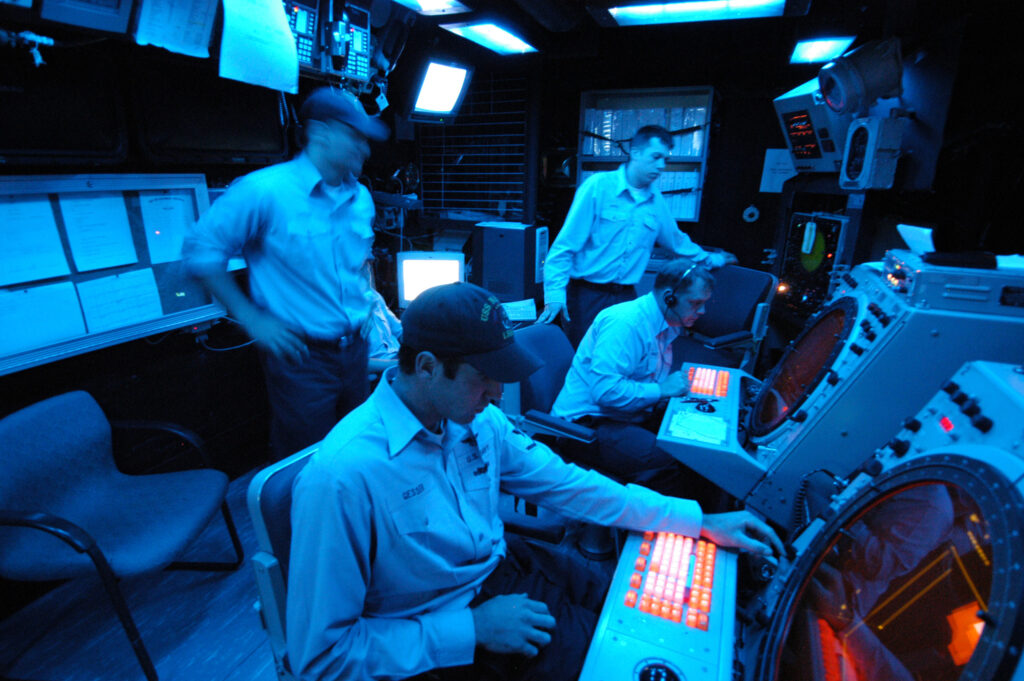

Collision prevention involves multiple technologies that support different roles, from gathering traffic information to alerting crews to possible conflicts.
Observation and alerting are different functions
A system that provides a picture of nearby traffic does not necessarily assess a conflict or recommend a response. The distinction matters because similar-looking display symbols can represent equipment with different intended uses. Understanding the function of a system comes before evaluating its contribution to safety.
Information has limitations
Traffic information may be incomplete because of equipment compatibility, coverage or processing. The FAA describes the limitations of ADS-B traffic displays and distinguishes them from collision avoidance systems. Equipment documentation and official guidance are necessary for understanding the behavior of a particular installation.
Human and organizational layers
Technology is used by people within an operating system. Workload, display design, training and communication can influence how information is interpreted. Airspace organization and institutional safety practices are also part of the broader picture.
A layered perspective
No single display can guarantee that a conflict will never occur. Safety education is better served by examining the purpose and limitations of each layer. The FAA surveillance material and NTSB safety alerts offer complementary perspectives on this topic.
For additional context, explore the evolution of aviation radar.
Technology supports different stages of awareness
A surveillance system may help establish where traffic is, while a collision avoidance system may evaluate a potential conflict and issue an alert. The categories overlap in practical use but describe different functions. A reader who treats every display as an alerting system may misunderstand what a particular indication represents. System purpose, limitations and data sources are useful questions to ask when comparing equipment.
Data availability is not the same as certainty
Traffic information is affected by the equipment involved, the available services and the design of the system. A blank portion of a display should not be interpreted as a guarantee that no aircraft is present. Nor does a displayed symbol automatically establish the significance of a situation. A technology article needs to distinguish a capability from the circumstances under which it is available. This is an important theme in official collision avoidance guidance and in human factors research.
How layers complement one another
Aviation safety can be viewed as a collection of overlapping defenses, each with a particular purpose. The value of a new capability is best understood in relation to the existing system rather than in isolation. A surveillance improvement might provide more information, while an interface improvement might make the information easier to interpret. Our historical overview of the evolution of radar and traffic presentation provides context for understanding why those improvements are distinct. This publication does not specify equipment for an actual flight or replace its approved operating documentation.
Further reading
- FAA AIM: Surveillance Systems
- NTSB Aviation Safety Alerts
- FAA AC 90-48E: Pilots’ Role in Collision Avoidance
Educational background only; not a source of operational flight instructions. Consult current official publications and qualified instructors.